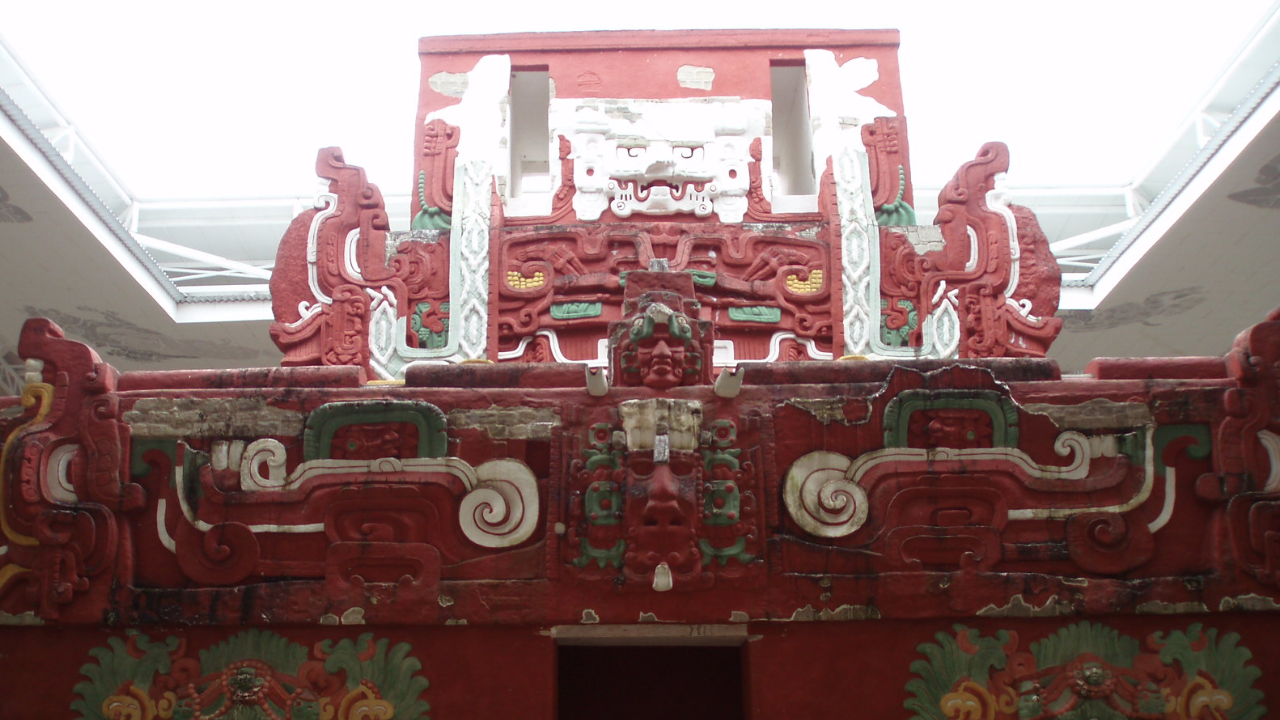
Ancient Maya ritual red pigment contaminated nearby lakes with mercury
Published 1d ago · Latest report 32m ago · Discovery
Covered in 2 countries
Ancient Maya ritual practices left a lasting mercury footprint in nearby lakes.
Ancient Maya communities used cinnabar red pigment for decoration and rituals, leaving high levels of mercury in nearby lakes for centuries. Researchers found that this persistent contamination impacted aquatic life and posed health risks to local populations. The findings highlight widespread environmental damage across multiple historical settlements.
- The materialThe Maya relied heavily on a bright red mineral called cinnabar for various ritualistic and decorative purposes.
- The consequenceElevated levels of heavy metal toxicity persisted in local aquatic ecosystems for hundreds of years after the settlements were abandoned.
Why it matters
Understanding how ancient civilizations impacted their local ecosystems provides valuable insights into long-term environmental degradation. Archaeological findings help scientists trace the historical footprint of human activity on natural resources.
How outlets cover it
What outlets agree on
Researchers agree that ancient Maya use of cinnabar pigment caused significant mercury contamination in surrounding lakes and ecosystems.
In this story
Covered by 2 outlets
50% of the sources are Center
Lean ratings via Media Bias/Fact Check
- The Times of IndiaAncient Maya cities used red pigment in temples; study finds it left mercury in lakes for centuries32m ago · open ↗
- CNAMercury contamination found at more ancient Maya sites1d ago · open ↗
Similar stories

What people are saying
Opens a search on that site in a new tab. Posts there are not ours and are not checked.
The headline, summary and key points are AI-generated from the sources above.
Comments