Ancient Dinosaur Fossil Yields Preserved Red Blood Cells
Published 1h ago · Discovery
Affects Brazil · Covered in 3 countries
Scientists discovered preserved red blood cells and heme in a 115-million-year-old Brazilian dinosaur bone.
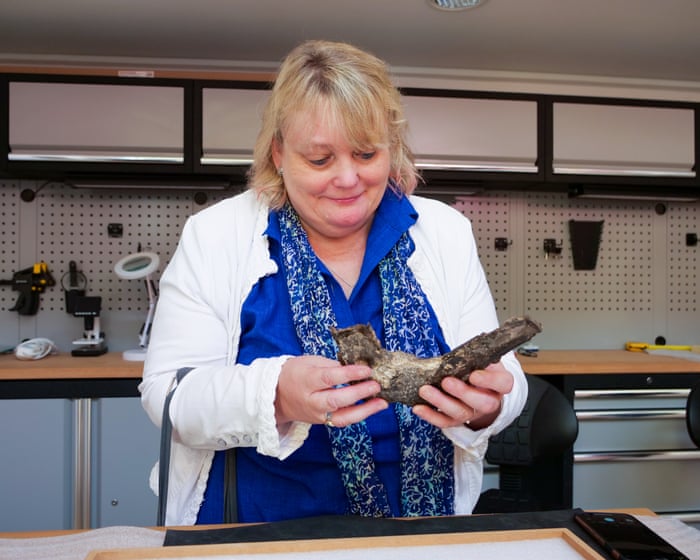
Researchers analyzing hind leg bones from an Aratasaurus discovered in Brazil have identified fossilized red blood cells. Chemical testing revealed traces of heme, the oxygen-carrying molecule found in blood. This finding contributes to the growing body of research regarding the survival of soft tissues in ancient fossils.
- The organismScientists examined the remains of a small carnivorous dinosaur that inhabited modern-day north-eastern Brazil.
- The timeframeThe fossil dates back 115 million years to the prehistoric era.
- The chemical findingAdvanced tests confirmed the presence of iron-carrying molecules responsible for transporting oxygen.
Why it matters
Discoveries of preserved soft tissue and organic molecules in ancient fossils challenge long-held assumptions about how organic matter degrades over millions of years. Such findings provide researchers with unprecedented insights into the biology, physiology, and evolutionary history of prehistoric creatures.
By the numbers1
How outlets cover it
What outlets agree on
Researchers analyzing dinosaur bones from Brazil found preserved molecular traces of red blood cells and the iron-carrying compound heme.
In this story
Covered by 3 outlets
67% of the sources are Center
Lean ratings via Media Bias/Fact Check, AllSides
- CNAEvidence of red blood cells seen in dinosaur fossil from Brazil1h ago · open ↗
- The GuardianFossilised red blood cells found in 115m-year-old dinosaur’s bone, say scientists1h ago · open ↗
- ABC News (Australia)Molecular traces from 'blood cells' found in 115-million-year-old dinosaur bones1h ago · open ↗
Similar stories


What people are saying
Opens a search on that site in a new tab. Posts there are not ours and are not checked.
The headline, summary and key points are AI-generated from the sources above.
Comments