
Global atomic clocks race to redefine the second
Published 22h ago · Latest report 1h ago
Covered in 2 countries
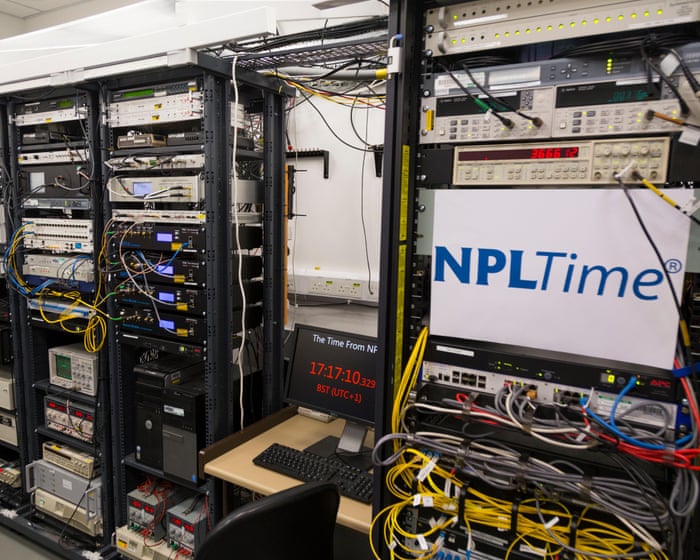
Global timekeepers are moving closer to redefining the second using advanced atomic clocks.
Scientists and timekeepers worldwide are preparing to alter how the second is measured. After decades of relying on traditional methods, researchers are evaluating competing atomic clocks to set a new global standard for timekeeping. This shift aims to improve precision across modern technology and scientific applications.
- The backgroundTraditional atomic clocks have maintained global timekeeping standards for over half a century by inserting leap seconds.
- The competitionMultiple advanced atomic clocks are currently vying to establish the next official standard for time measurement.
Why it matters
Precise time measurement is the invisible foundation of the modern digital world, governing everything from global financial transactions to satellite navigation and telecommunications networks. As technology demands ever-higher accuracy, even the tiny discrepancies managed by traditional leap seconds become significant hurdles for synchronized systems.
How outlets cover it
What outlets agree on
Researchers report that the standard definition of a second is facing a potential revision as new atomic clock technologies are evaluated.
In this story
Covered by 2 outlets
50% of the sources are Left
Lean ratings via Media Bias/Fact Check, Ad Fontes Media
- Al JazeeraTime just changed forever1h ago · open ↗
- The EconomistThe second may soon be redefined22h ago · open ↗
Similar stories



What people are saying
Opens a search on that site in a new tab. Posts there are not ours and are not checked.
The headline, summary and key points are AI-generated from the sources above.
Comments