Global powers weigh standard timekeeping for space and infrastructure
Published 1w ago · Latest report 4d ago · Policy change
Covered in 2 countries
Global leaders must agree on unified time standards to secure critical infrastructure and space travel.
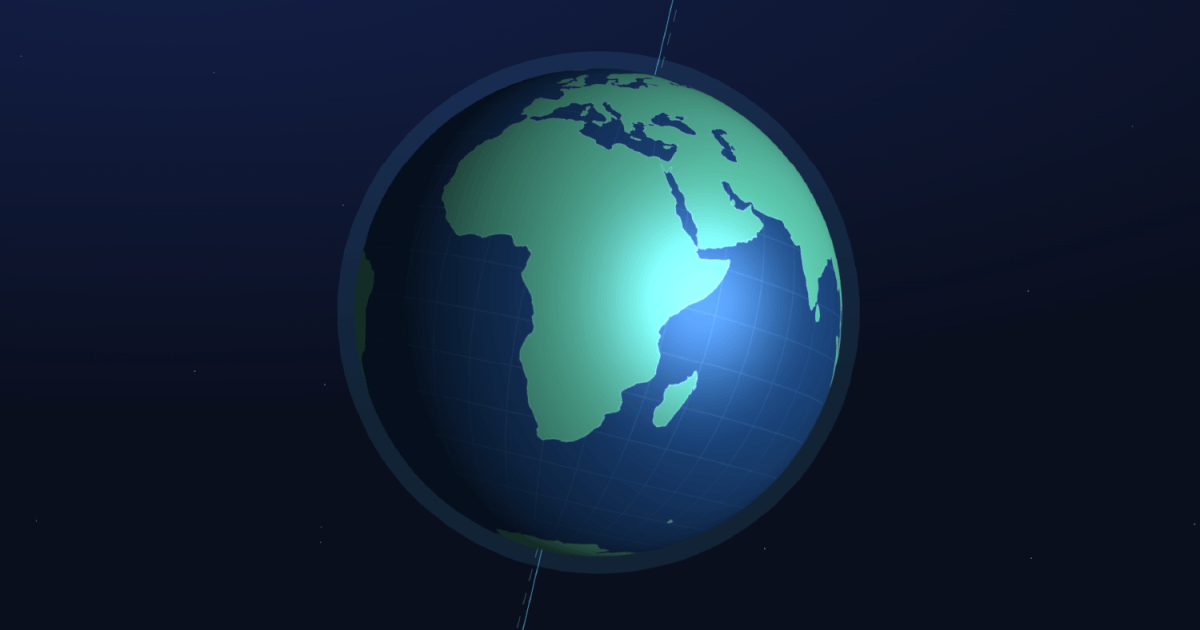
Global authorities must establish unified time standards to protect critical infrastructure and advance space exploration. Leap seconds have traditionally kept clocks aligned with Earth rotation, but changing needs require modern approaches. International consensus on timekeeping prevents potential navigation errors in digital networks.
- The backgroundLeap seconds historically reconciled atomic clocks with planetary rotation.
- The challengeModern digital infrastructure requires precise synchronisation without unexpected adjustments.
Why it matters
Standardised timekeeping underpins global financial systems, telecommunications networks, and satellite navigation. As technology advances into deep space operations, minute discrepancies between various time standards risk major disruptions.
How outlets cover it
What outlets agree on
International timekeeping mechanisms face scrutiny as experts debate the necessity of altering standard synchronisation methods.
In this story
Covered by 2 outlets
100% of the sources are Center
Lean ratings via Ad Fontes Media, Media Bias/Fact Check
- Financial TimesThe collective global duty to safeguard time4d ago · open ↗
- UPILeap seconds have helped keep clocks synchronized with Earth’s rotation, but their time may be over -- here’s why1w ago · open ↗
Similar stories




What people are saying
Opens a search on that site in a new tab. Posts there are not ours and are not checked.
The headline, summary and key points are AI-generated from the sources above.
Comments