Ancient Giant Tortoise Genome Sequenced to Unlock Longevity Secrets
Published 1h ago
Covered in 3 countries
Sequencing the DNA of a nearly two-century-old tortoise reveals clues to cellular preservation and longevity.
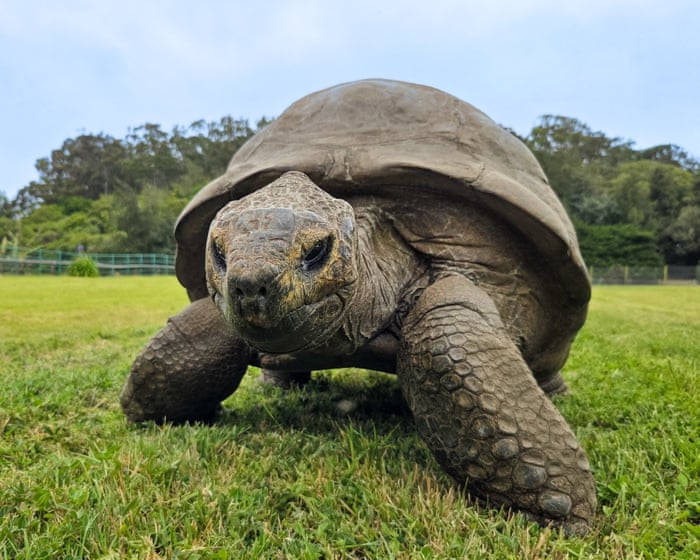
Researchers have decoded the DNA of Jonathan, a giant tortoise residing on Saint Helena believed to be one hundred ninety-four years old. By examining his genetic makeup, scientists identified specific gene patterns that may preserve mitochondrial function and contribute to extreme lifespan. This breakthrough offers potential insights into extending human longevity through the study of exceptional biological aging.
- The animal dwells on the grounds of Plantation House, the official home of the island governor.
- Geneticists discovered gene variations that appear to safeguard cellular mitochondria from age-related decline.
- The reptile hatched during an era that also saw the lives of historical figures such as Queen Victoria.
Written from 2 of 3 outlets — 1 has since joined this story.
By the numbers
Why it matters
Understanding the genetic mechanisms behind extreme lifespans in animals can guide medical research into age-related diseases in humans.
In this story
Covered by 3 outlets
67% of the sources are Left
Lean ratings via Media Bias/Fact Check, Ad Fontes Media, AllSides
- CNAA 194-year-old tortoise, world's oldest land animal, may hold clues to longer life1h ago · open ↗
- The New York TimesJonathan the Giant Tortoise Is 194 Years Old. He Just Had His Genome Sequenced.1h ago · open ↗
- The GuardianJonathan the giant tortoise, 194, offers up insight into secrets of longevity1h ago · open ↗
Similar stories



The headline, summary and key points are AI-generated from the sources above.
Comments