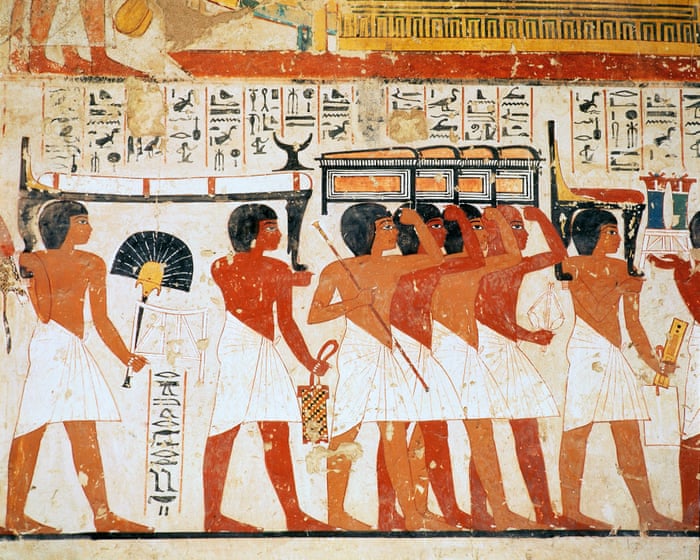
Ancient Egyptian Skulls Reveal Evidence of Royal Retainer Sacrifice
Published 22h ago · Latest report 15h ago
Covered in 2 countries
Ancient Egyptian skulls showing blunt-force trauma support historical theories of royal retainer sacrifice.
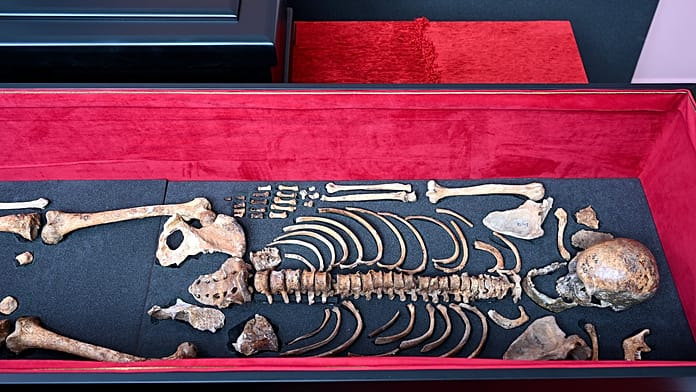
Forensic analysis of skulls from an early Egyptian royal cemetery at Umm el-Qa’ab has revealed evidence suggesting servants were deliberately killed upon a king's death. Researchers examined forty-six crania from First Dynasty tombs near Abydos, identifying significant trauma in eighteen of them. These findings appear to validate a century-old theory regarding retainer sacrifice in ancient Egypt.
- The skeletal remains were recovered from the First Dynasty royal cemetery at Umm el-Qa’ab near Abydos.
- Scientists identified cranial trauma in eighteen out of forty-six skulls studied from the site.
- The tombs date back approximately to three thousand BC, coinciding with the dawn of unified Egyptian dynasties.
Written before 1 later update from the outlets covering this story.
By the numbers
Why it matters
The practice of retainer sacrifice in early complex societies remains a subject of intense debate among archaeologists studying ancient state formation and royal burials.
What outlets agree on
Researchers examining crania from a First Dynasty Egyptian royal cemetery at Abydos discovered distinct fractures indicating deliberate cranial trauma.
In this story
Covered by 2 outlets
50% of the sources are Left
Lean ratings via Media Bias/Fact Check, AllSides
- The Times of India18 skulls excavated from Egypt’s First Dynasty cemetery offer evidence of retainer sacrifice15h ago · open ↗
- The GuardianSkull fractures suggest servants of Egypt’s ancient kings were sacrificed22h ago · open ↗
Similar stories




The headline, summary and key points are AI-generated from the sources above.
Comments