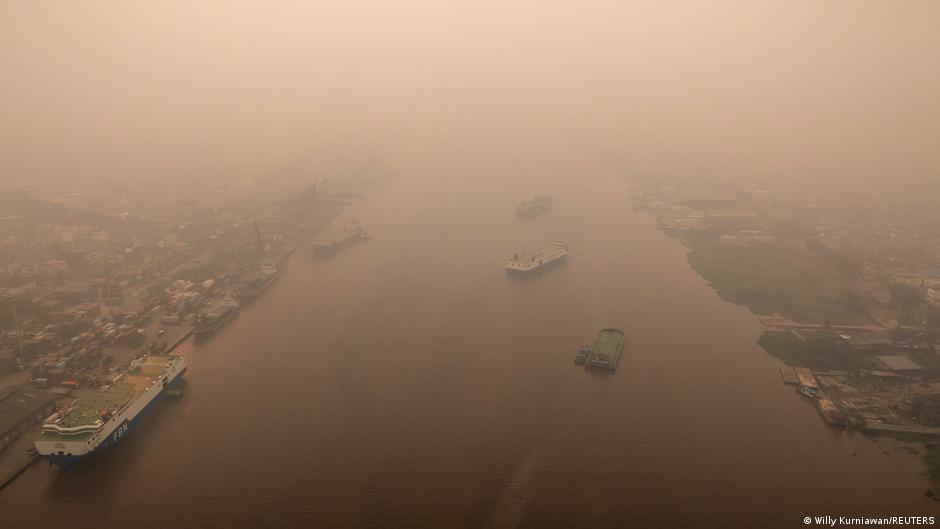
Southeast Asia Chokes on Recurring Transboundary Haze Crisis
Published 1d ago · Latest report 1h ago
Covered in 2 countries
Southeast Asia struggles with heavy transboundary haze once more, questioning the effectiveness of past environmental pledges.
Southeast Asia is once again grappling with heavy transboundary haze, prompting renewed scrutiny over whether leaders have applied lessons from the devastating fires of 2015. Experts suggest the recurring environmental hazard can be anticipated and managed through proactive diplomacy and preparedness. Despite past vows to implement stricter enforcement, communities across the region continue to suffer from toxic smoke.
- Severe fires a decade ago drove regional governments to vow tougher preventative actions against transboundary pollution.
- Observers argue that proactive diplomatic engagement offers a viable path to mitigate seasonal air pollution.
- The recurring nature of the smoke highlights persistent vulnerabilities in regional environmental cooperation.
Why it matters
Transboundary haze caused by land clearing and forest fires remains a persistent health and diplomatic challenge for Southeast Asian nations during dry seasons.
What outlets agree on
The reports agree that transboundary haze is a recurring environmental hazard in Southeast Asia that demands coordinated regional action.
In this story
Covered by 2 outlets
100% of the sources are Center
Lean ratings via Media Bias/Fact Check
- Deutsche WelleSoutheast Asia's haze crisis: Have lessons been learned?1h ago · open ↗
- CNACommentary: Malaysia has diplomatic leverage in tackling transboundary haze1d ago · open ↗
Similar stories




The headline, summary and key points are AI-generated from the sources above.
Comments