
Severe Haze From Indonesian Wildfires Chokes Southeast Asian Cities
Published 22h ago · Updated 2h ago
Covered in 2 countries
Indonesian wildfire smoke has severely polluted neighboring countries, sparking health crises and school closures.
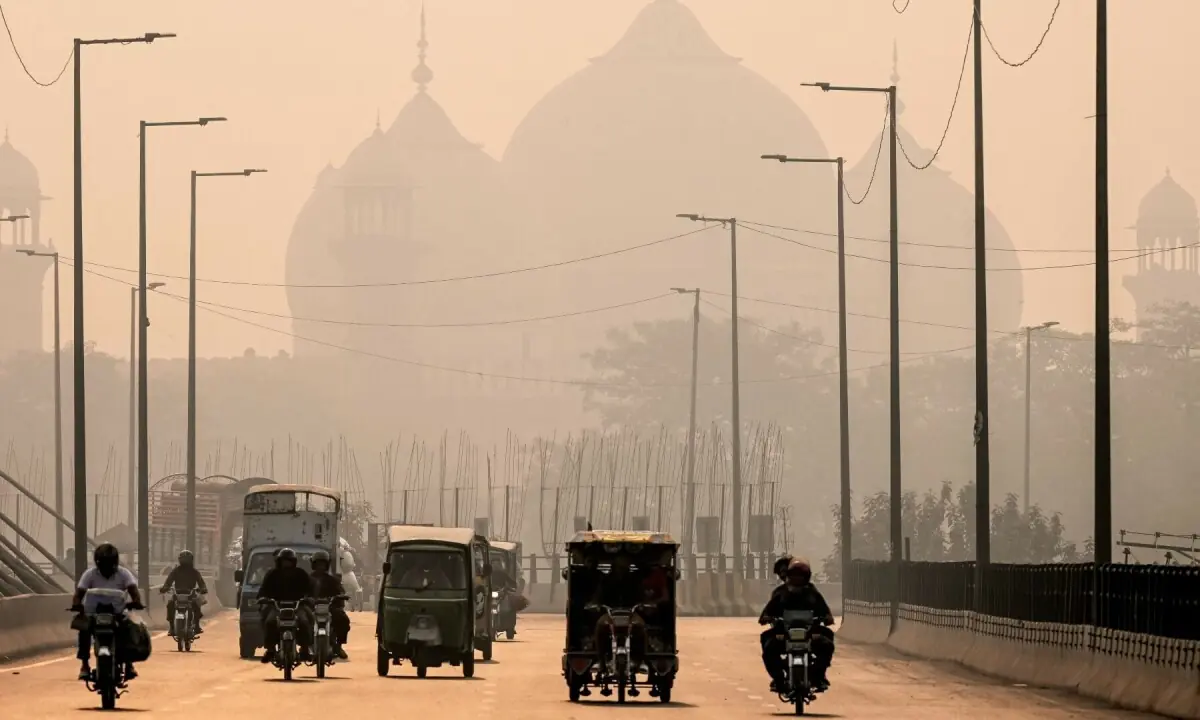
Persistent wildfires in Indonesia have generated a heavy haze that triggered severe air pollution across Southeast Asia, with Kuala Lumpur and Singapore recording alarming index levels. The resulting smoke has forced the closure of schools and caused a surge in respiratory illnesses among residents. Existing regional legal frameworks have proven inadequate in addressing this recurring transboundary environmental crisis.
- Kuala Lumpur ranked as the most polluted city globally on Wednesday.
- Singapore recorded the third highest pollution levels on the index.
- A milky haze has persisted over affected urban centers for over four weeks.
- Health authorities noted a sharp rise in respiratory complaints.
Timeline
- Sep 30Kuala Lumpur and Singapore register among the worst global air pollution levels due to drifting haze.
- Oct 1Schools are closed and respiratory complaints surge as transboundary pollution persists.
Why it matters
Transboundary haze from land and forest fires in Indonesia is a recurrent environmental and public health crisis affecting neighboring nations in Southeast Asia during the dry season.
In this story
Covered by 2 outlets
100% of the sources are Center
Lean ratings via Media Bias/Fact Check
- The Japan TimesIndonesia’s neighbors powerless as smoke from monthlong wildfires shuts schools2h ago · open ↗
- South China Morning PostKuala Lumpur is world’s most polluted city due to haze, Singapore third, index shows22h ago · open ↗
Similar stories

/file/authors/16633921011634156806.jpg)


The headline, summary and key points are AI-generated from the sources above.
Comments