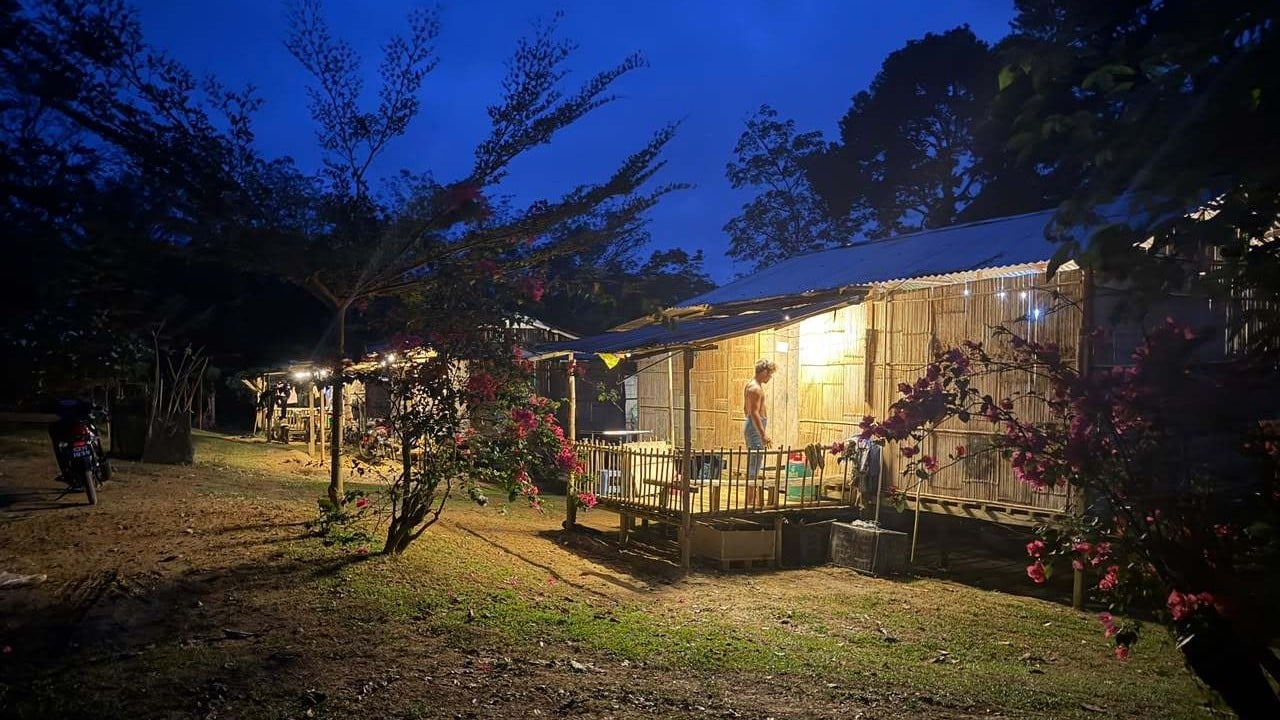
Middle East conflicts drive solar power adoption in developing nations
Published 5d ago · Latest report 16h ago · Policy change
Affects Pakistan, Nigeria, and Philippines · Covered in 3 countries
Middle East conflicts and high utility costs accelerate solar panel adoption across developing nations.
Escalating conflicts in the Middle East and rising utility costs drive businesses and households across developing nations to adopt solar energy. Communities from Pakistan to Nigeria turn to photovoltaic panels and battery storage to ensure steady electricity. This transition helps users reduce heavy power bills and maintain operations amidst grid instability.
- The causeSurging electricity expenses and regional conflicts push communities to seek independent power sources.
- The impactRooftop solar installations and battery backups become widespread across developing regions to keep machinery and lights running.
Written from 2 of 3 outlets — 1 has since joined this story.
Why it matters
Traditional energy grids in many developing regions struggle with reliability and high costs, exacerbated by international conflicts that disrupt fossil fuel markets. Adopting decentralized renewable energy provides a vital buffer against power outages and economic instability.
Timeline2
By the numbers1
How outlets cover it
What outlets agree on
Rising utility bills and regional instability in the Middle East are prompting widespread adoption of solar power and battery storage across developing nations.
In this story
Covered by 3 outlets
67% of the sources are Center
Lean ratings via Media Bias/Fact Check
- South China Morning PostSoutheast Asia’s green push brings solar power, but who pays to keep it on?16h ago · open ↗
- The Japan TimesBustling market in Dhaka shows shift to solar triggered by Middle East war3d ago · open ↗
- DawnHow necessity continues to be the mother of invention in Pakistan5d ago · open ↗
Similar stories


What people are saying
Opens a search on that site in a new tab. Posts there are not ours and are not checked.
The headline, summary and key points are AI-generated from the sources above.
Comments