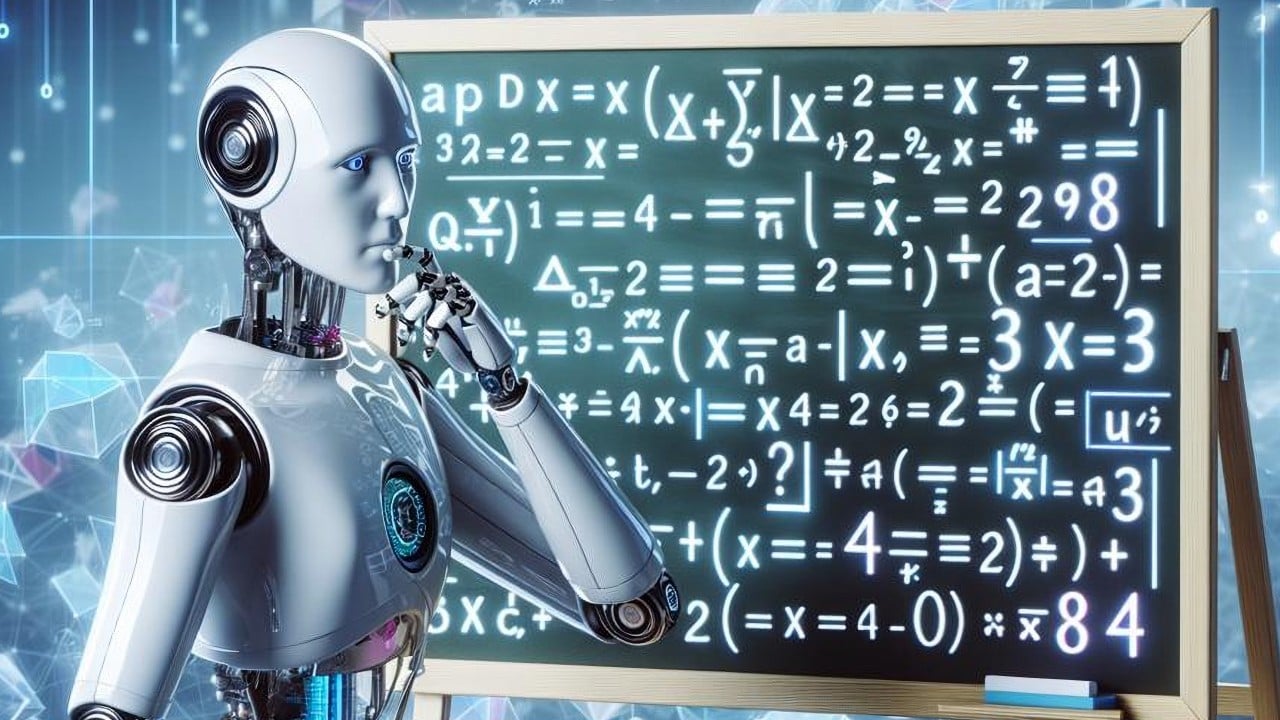
Artificial intelligence solving complex mathematical puzzles stuns global experts
Published 14h ago · Latest report 1h ago
Covered in 2 countries
Earlier on this storyMathematical advances in artificial intelligence spark scientific and security fears5d agoMathematicians face an uncertain future as artificial intelligence begins solving complex mathematical puzzles faster than humans.
Rapid advancements in artificial intelligence are leaving mathematicians worldwide to question the future of their profession. As machine systems solve intricate puzzles faster than humans, researchers confront deep questions about the meaning of academic achievement. These developments follow earlier concerns regarding the broader security implications of algorithmic breakthroughs.
- The reactionResearchers express mixed feelings ranging from shock to vindication as automated systems outpace human problem-solving capabilities.
- Global scopeMathematicians across multiple countries, including China, are engaging in soul-searching over the trajectory of their careers.
Why it matters
Artificial intelligence tools are rapidly moving beyond text generation into specialized fields like mathematics, traditionally considered a pinnacle of human abstract reasoning. This shift forces a fundamental reexamination of academic research and the role of human intellect.
How outlets cover it
What outlets agree on
Outlets agree that artificial intelligence models are solving complex mathematical puzzles at a pace exceeding human capabilities, triggering widespread professional reflection among mathematicians.
In this story
Covered by 2 outlets
100% of the sources are Center
Lean ratings via Media Bias/Fact Check
- South China Morning PostAs AI solves maths puzzles faster than humans, mathematicians face uncertain future1h ago · open ↗
- The Japan TimesShock, vindication, regret: Scientists react to AI roiling life’s work14h ago · open ↗
Similar stories





What people are saying
Opens a search on that site in a new tab. Posts there are not ours and are not checked.
The headline, summary and key points are AI-generated from the sources above.
Comments