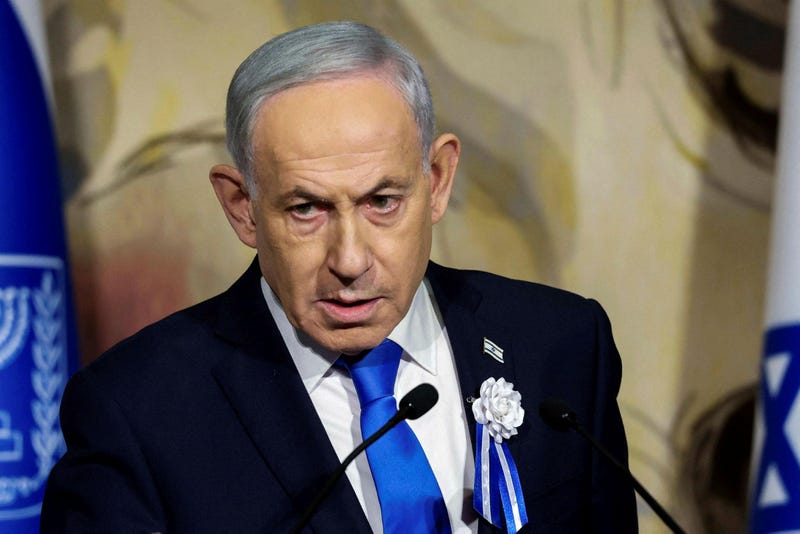
Israeli Debate Over Arab Political Inclusion Reaches Critical Juncture
Published 6d ago · Latest report 1h ago · Political dispute
Affects Israel
Commentators urge Israeli politicians to move past traditional exclusions and embrace Jewish-Arab governmental partnerships.
Public discourse in Israel increasingly questions whether the political establishment should incorporate Arab parties into governing coalitions. Commentators urge opposition figures to transcend historical exclusions and embrace Jewish-Arab partnerships to replace the current administration. Analysts note that grassroots integration is already advancing despite persistent political reluctance.
- The coalition dilemmaOpposition leaders face a choice between partnering with Arab factions or risking repeated elections.
- The voter turnoutRecent electoral participation highlighted the growing political engagement of the Arab minority.
- The social shiftObservers argue that everyday integration inside the country far outpaces official political structures.
What's new · 6h agoRecent commentary expands the debate by suggesting that opposition coalitions should include both Arab and ultra-Orthodox parties to successfully replace the current government.
1 new report since this summary was written 6h ago
Not in the AI summary yet. It is rewritten once enough new coverage arrives.
Why it matters
The role of Arab political parties in Israel's parliamentary system has long been contentious, with traditional Zionist parties hesitating to include them in ruling coalitions. This debate highlights fundamental questions about national identity and civic equality in a divided society.
Timeline4
- Nov 4An analysis argued that Israel risks wasting Arab citizens' potential by excluding their parties from government.
- Nov 6Commentators published arguments calling for a Jewish-Arab government to address Israel's fundamental problems.
- Nov 8Writers discussed whether Arab parties truly accept Israel as a Jewish and democratic state amid rising voter turnout.
- Nov 10Articles urged the opposition bloc to seize the moment and include Arab and ultra-Orthodox lawmakers to replace the government.
How outlets cover it
What outlets agree on
Outlets agree that political opposition leaders hold enough parliamentary support to challenge the current government but remain deeply divided over cooperating with Arab factions.
Where coverage differs
While some commentators argue that ideological divides remain too wide regarding Zionism and state identity, others contend that a civic identity must immediately replace older nationalist exclusions.
In this story
Covered by 2 outlets
50% of the sources are Left
Lean ratings via Media Bias/Fact Check
- HaaretzAfter summaryNetanyahu's racist rant did the one thing the bloc of change couldn't: Unite it1h ago · open ↗
- The Jerusalem PostDo the Arab parties accept Israel as a Jewish and democratic state? - opinion2d ago · open ↗
Similar stories


What people are saying
Opens a search on that site in a new tab. Posts there are not ours and are not checked.
The headline, summary and key points are AI-generated from the sources above.
Comments