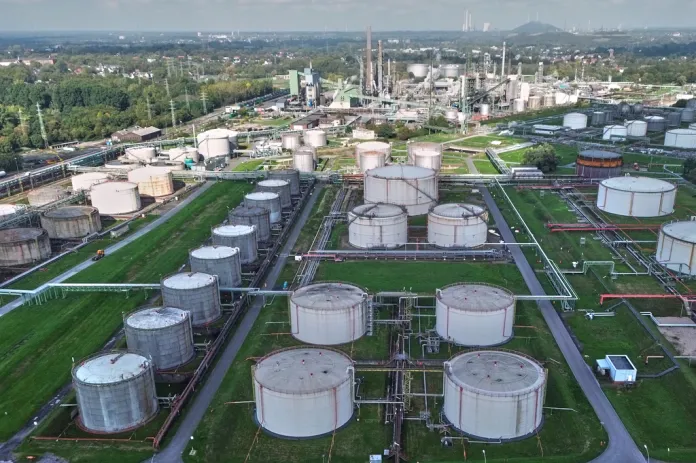
Energy Agency Speeds Up Oil Reserve Releases to Lower Fuel Prices
Published 3h ago · Latest report 2h ago · Policy change
Affects United States and Iran · Covered in 2 countries
Earlier on this storyInternational Energy Agency Confirms Major Emergency Reserve Releases1w agoThe energy watchdog is accelerating emergency oil reserve releases to lower soaring fuel prices.
The International Energy Agency is accelerating the release of emergency oil reserves to stabilize surging fuel costs following geopolitical disruptions. Member nations will distribute hundreds of millions of barrels of crude from stockpiles to ease supply crunches. The coordinated action aims to protect consumers from soaring energy expenses.
- The causeOngoing conflict involving Iran has severely disrupted global supply chains and pushed fuel prices upward.
- The volumeThe agency is releasing hundreds of millions of barrels of emergency crude reserves to calm markets.
- The pressureWashington officials pushed the energy watchdog to speed up the planned release of emergency stockpiles.
Why it matters
Emergency oil reserves are government-owned stockpiles held to cushion against sudden supply shocks and prevent severe economic damage from spiking energy costs. When geopolitical conflicts disrupt crude production or shipping lanes, releasing these reserves helps stabilize global markets and protects consumers from extreme price volatility.
Timeline2
- Mar 2026Member countries agreed on an initial emergency release of oil reserves.
- Oct 15The International Energy Agency confirmed it is speeding up the release of emergency reserves.
By the numbers3
How outlets cover it
What outlets agree on
The International Energy Agency is releasing hundreds of millions of barrels of emergency oil reserves to stabilize fuel markets amidst supply disruptions.
Where coverage differs
Sources differ on the exact volume of remaining oil reserves being released, citing figures of either 100 million or 330 million barrels.
In this story
Covered by 2 outlets
50% of the sources are Left
Lean ratings via Media Bias/Fact Check
- Middle East EyeIEA confirms release of 330 million barrels of oil reserves amid Iran war disruptions2h ago · open ↗
- Washington ExaminerIEA speeds up oil stock release to curb global fuel prices following US pressure3h ago · open ↗
Similar stories



What people are saying
Opens a search on that site in a new tab. Posts there are not ours and are not checked.
The headline, summary and key points are AI-generated from the sources above.
Comments