Proposed Health Survey Cuts Threaten Disability Data Accuracy
Published 2h ago · Policy change
Affects United States · Covered in 2 countries
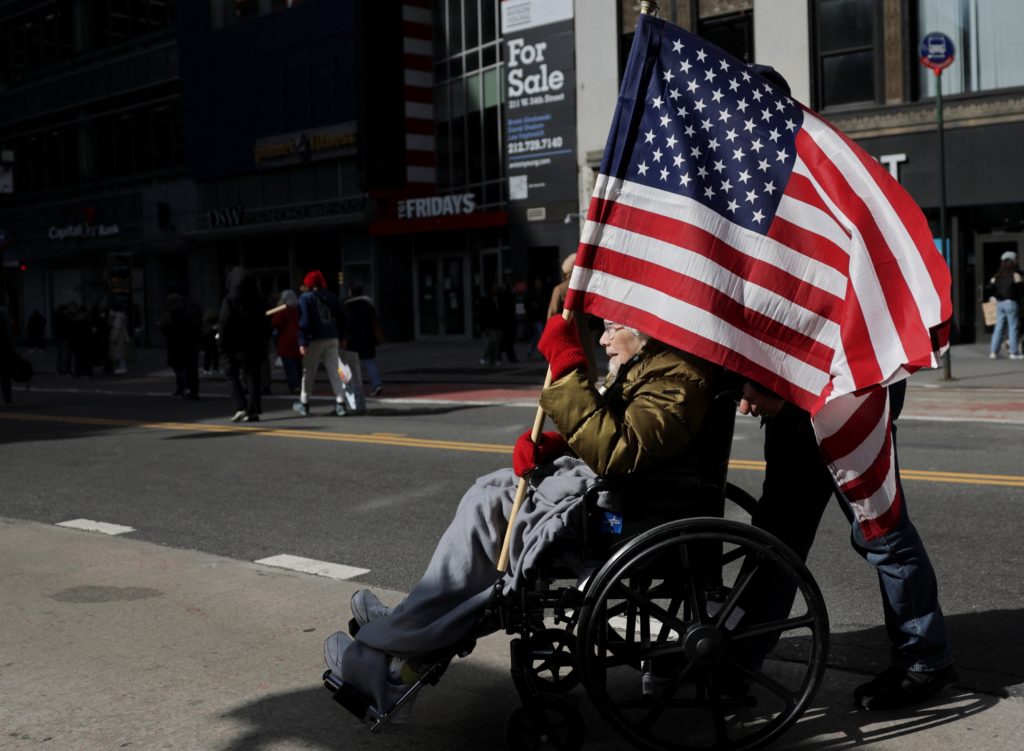
Proposed cuts to a major federal health survey could miscategorize millions of Americans with disabilities.
Advocates and researchers warn that budget-driven reductions to a major national health survey could miscategorize millions of Americans with disabilities. The proposed changes aim to streamline the decades-old data collection effort, but critics argue the shorter format misses critical health needs. Many wheelchair users and individuals with sensory impairments risk losing proper classification under the revised questions.
- The concernAdvocates state that up to a quarter of wheelchair users and over a third of blind or deaf individuals could be miscategorized.
- The backgroundThe changes affect the National Health Interview Survey, which has operated for 69 years.
- The motiveThe alterations form part of an ongoing government effort to reduce survey costs.
Why it matters
Accurate federal health surveys help policymakers allocate resources, design accessible infrastructure, and understand healthcare disparities. When federal data collection tools are shortened or altered, vulnerable populations risk becoming invisible in official statistics.
By the numbers1
How outlets cover it
What outlets agree on
Researchers and advocates agree that cost-saving reductions to the long-standing National Health Interview Survey threaten to misclassify significant portions of disabled Americans.
In this story
Covered by 2 outlets
50% of the sources are Left
Lean ratings via AllSides, Ad Fontes Media
- The IndependentAmericans with disabilities worried over plan to slash national health survey2h ago · open ↗
- PBS NewsHourHow proposed cuts to this major national health survey could disadvantage Americans with disabilities2h ago · open ↗
Similar stories





What people are saying
Opens a search on that site in a new tab. Posts there are not ours and are not checked.
The headline, summary and key points are AI-generated from the sources above.
Comments