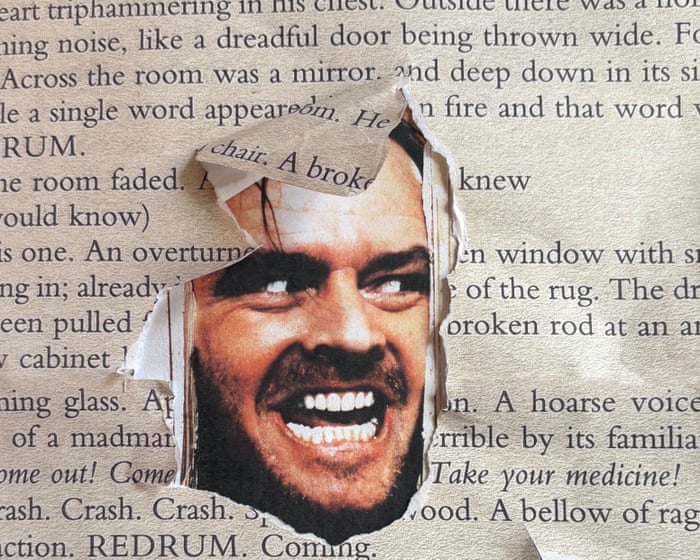
Examining the challenges and methods of cinematic book adaptations
Published 1d ago · Latest report 1h ago
Bringing beloved novels to the screen involves navigating complex creative choices that can make or break a movie.
Adapting novels into films remains a difficult artistic challenge where success depends on creative vision rather than strict fidelity to the source material. Critics and authors continue to examine why certain book adaptations thrive on screen while others fail. This ongoing creative tension shapes major cinematic releases and literary discussions alike.
- The processTransforming literature into cinema often requires significant departures from the original text to achieve cinematic success.
- Critical receptionAudiences and critics frequently debate whether faithful adaptations outperform those that take creative liberties with beloved stories.
Why it matters
Film adaptations of novels represent a massive portion of the entertainment industry, bridging the worlds of publishing and cinema. Understanding how these transformations succeed helps explain the enduring cultural impact of major movie releases.
How outlets cover it
What outlets agree on
Adapting books into films is a complex artistic undertaking that often yields unpredictable results.
In this story
Covered by 2 outlets
50% of the sources are Left
Lean ratings via AllSides, Ad Fontes Media
- The GuardianAn open book: how make a great film adaptation, from The Shining to Trainspotting1h ago · open ↗
- Financial TimesThe Book Was Better — the hazards of adapting novels for the screen1d ago · open ↗
Similar stories





What people are saying
Opens a search on that site in a new tab. Posts there are not ours and are not checked.
The headline, summary and key points are AI-generated from the sources above.
Comments