
Strait of Hormuz shipping attacks reach highest wartime intensity
Published 13h ago · Latest report 2h ago · Attack
Earlier on this storyTanker Attacks Drive Strait of Hormuz Oil Exports Sharply Lower1w agoAttacks on commercial vessels in the Strait of Hormuz have reached their highest wartime intensity yet.
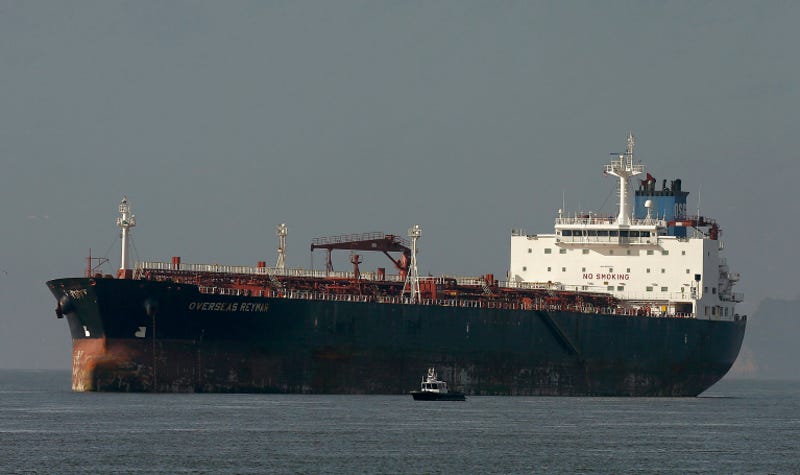
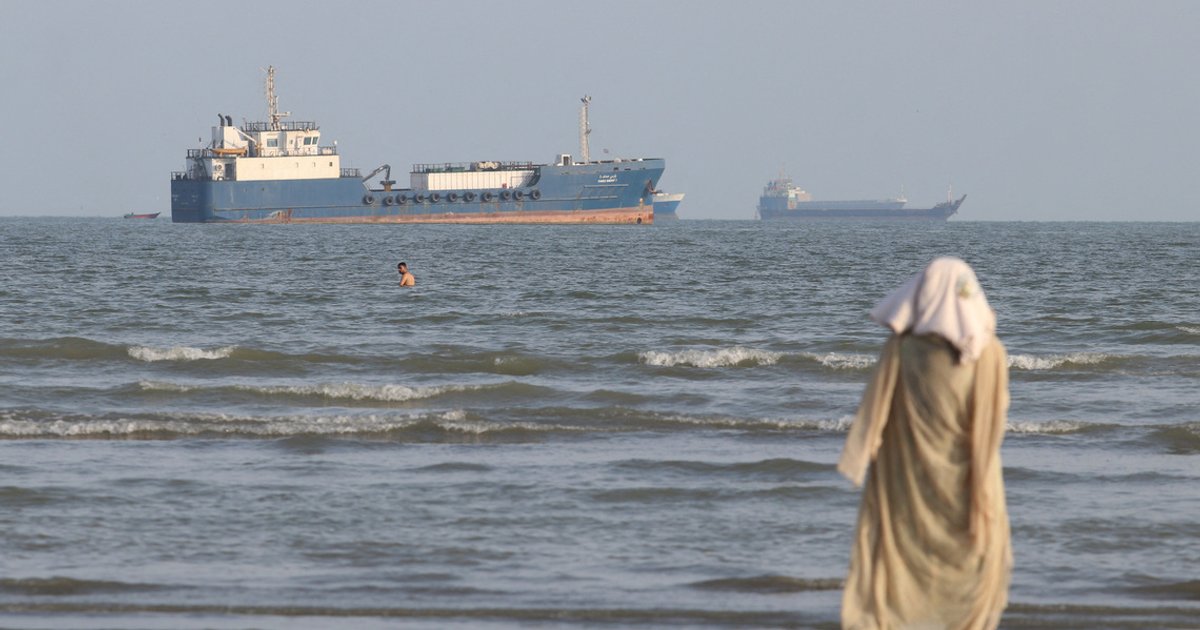
Iran has targeted twenty-four tankers and vessels in the Strait of Hormuz over a two-week period. Six ships were struck in a single day, marking the highest intensity of maritime assaults since the conflict began seven months ago. The surge in drone and missile strikes deepens the crisis for commercial transit through the vital waterway.
- The timelineTwenty-four vessels were attacked in the two weeks leading up to 11 October.
- The scaleSix ships were targeted in a single day on Sunday alone.
- The contextThe current assault rate surpasses any previous period since US and Israeli strikes started seven months ago.
Why it matters
The Strait of Hormuz is a critical global trade route for petroleum products, and sustained military interference severely disrupts international energy markets and supply chains.
Timeline2
- Mar 2026US-Israeli strikes begin in the region, setting off months of maritime tensions.
- Oct 11Attacks on shipping in and around the Strait of Hormuz reach their most intense two-week period.
By the numbers2
How outlets cover it
What outlets agree on
Iran has targeted 24 tankers and vessels in and around the Strait of Hormuz over a two-week period ending in mid-October, reaching a peak in attacks not seen since the conflict began seven months prior.
In this story
Covered by 2 outlets
50% of the sources are Left
Lean ratings via Media Bias/Fact Check, Ad Fontes Media
- Middle East EyeAttacks on Hormuz shipping at wartime high, report says2h ago · open ↗
- Financial TimesShips in Hormuz strait hit by worst spate of attacks since start of war13h ago · open ↗
Similar stories


What people are saying
Opens a search on that site in a new tab. Posts there are not ours and are not checked.
The headline, summary and key points are AI-generated from the sources above.
Comments