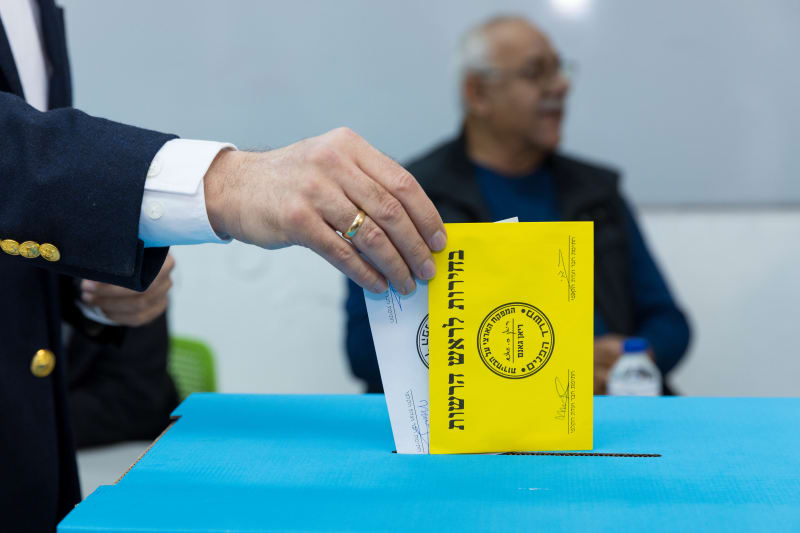
Understanding Israel Proportional Representation And Parliamentary Elections
Published 12h ago · Latest report 4h ago
Israel proportional representation rules mean dozens of competing parties face a strict threshold to enter parliament.
Israel uses a proportional representation system where votes cast for smaller parties may not count if they fail to meet the electoral threshold. This setup often leads to numerous political factions, complex coalition talks, and frequent early elections. With 38 parties competing, only groups securing enough support gain seats in the Knesset.
- The thresholdParties must clear a specific vote share to enter the Knesset.
- The partiesA total of 38 political factions are competing in the current cycle.
- The consequenceFalling short of the threshold means wasted votes that do not translate into parliamentary seats.
By the numbers
Why it matters
Proportional representation shapes how governments form in parliamentary democracies, often resulting in coalition governments where smaller parties hold significant leverage over larger partners.
What outlets agree on
Israel employs a proportional representation voting system and enforces an electoral threshold that determines parliamentary representation for competing parties.
In this story
Covered by 2 outlets
50% of the sources are Left
Lean ratings via Media Bias/Fact Check
- HaaretzExplained: Why every vote won't count in Israel's election4h ago · open ↗
- The Jerusalem PostHow do Israeli elections work? A guide to voting, Knesset seats, and coalitions - explainer9h ago · open ↗
Similar stories




What people are saying
Opens a search on that site in a new tab. Posts there are not ours and are not checked.
The headline, summary and key points are AI-generated from the sources above.
Comments