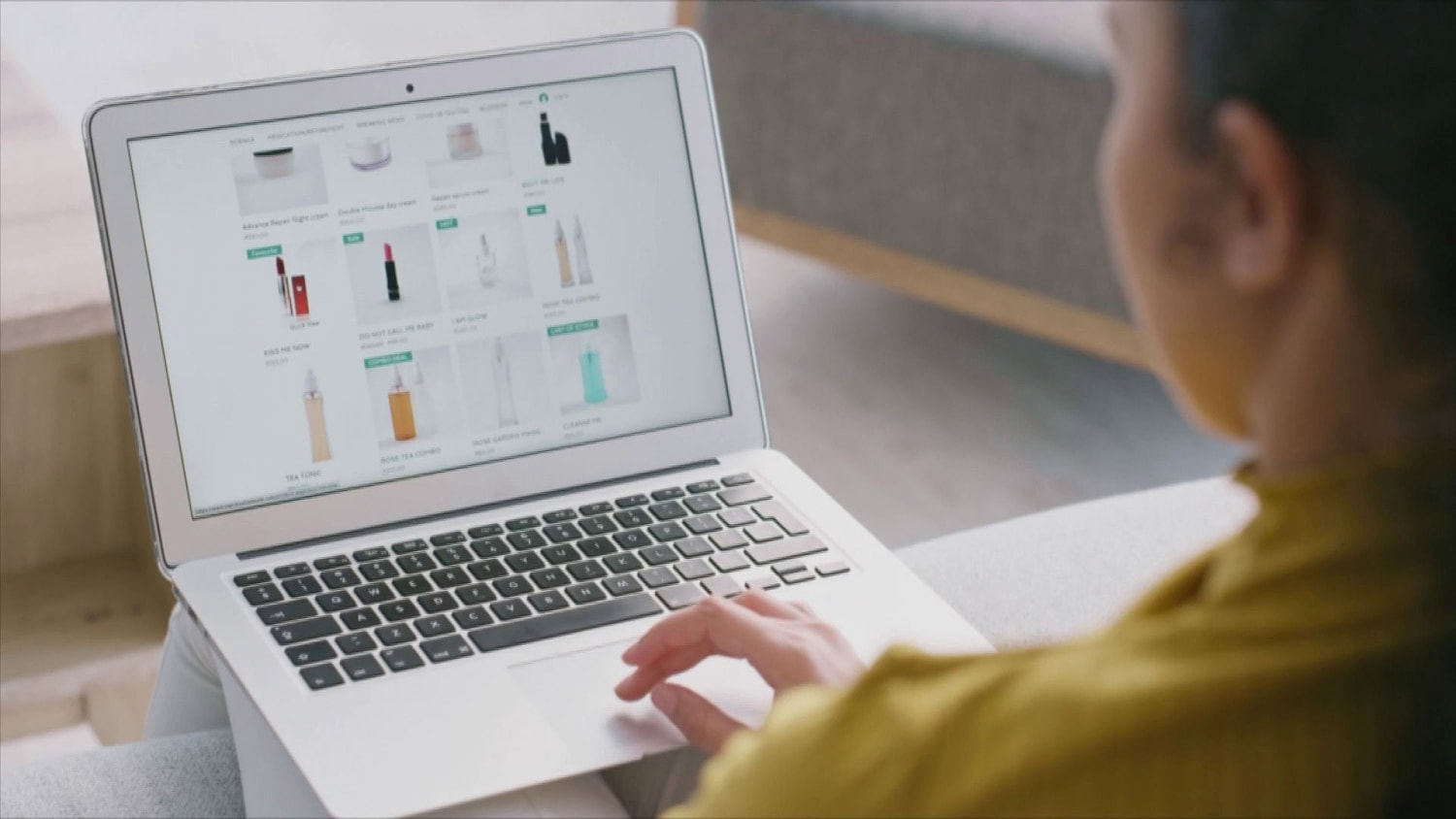
Retailers Increasingly Use Consumer Data to Charge Varying Prices for Identical Goods
Published 1d ago · Updated 3h ago
Retailers are utilizing customer tracking data to customize prices and maximize profits on identical goods.
Businesses across retail, hospitality, and food sectors are actively experimenting with dynamic pricing models that change rates from customer to customer. Companies utilize surveillance techniques and customer data to set personalized pricing aimed at maximizing corporate revenues. In response to these targeted pricing tactics, experts are advising consumers on methods to conceal their purchasing behavior and secure fairer deals.
- Companies are employing price experiments that randomly alter rates between different buyers for identical products and services.
- Personalized pricing relies on surveillance data to tailor costs based on individual consumer profiles and spending histories.
- Consumer advocates suggest privacy measures that prevent businesses from tracking purchasing habits to avoid artificial markups.
Why it matters
Dynamic and targeted pricing mechanisms have expanded rapidly as companies collect vast amounts of digital tracking data, shifting standard retail pricing toward individualized rate structures.
What outlets agree on
Companies are leveraging consumer data and randomized pricing tests to charge different individuals different amounts for the same products.
In this story
Covered by 2 outlets
100% of the sources are Left
Lean ratings via Ad Fontes Media
- NBC NewsInside Look at How Retailers Use Your Data for ‘Price Experiments’3h ago · open ↗
- NPRHow to hide your spending habits from retailers (so you don't get ripped off)1d ago · open ↗
Similar stories


The headline, summary and key points are AI-generated from the sources above.
Comments