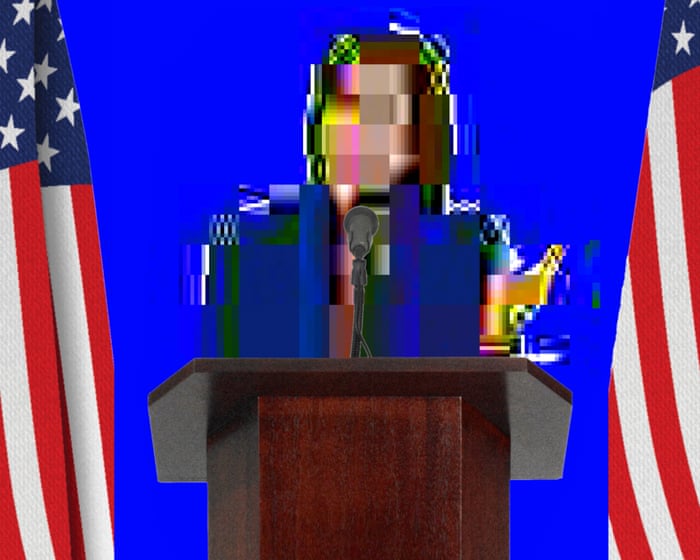
Artificial Intelligence Deepfakes Threaten Political Integrity as Lawmakers Grapple With Regulation
Published 6h ago · Updated 2h ago
Covered in 2 countries
The rapid viral spread of sophisticated deepfakes poses a profound challenge to democratic transparency and regulatory oversight.
Elected officials and voting rights advocates have expressed alarm over the proliferation of artificial intelligence-generated political disinformation. A fabricated image of a municipal leader in Georgia recently went viral on social media, highlighting the vulnerability of democratic discourse. Meanwhile, experts note that mandated disclosure labels on deceptive political content have proven largely ineffective at stopping users from sharing them.
- A digitally altered photograph showing a local official in a compromising situation circulated widely across Facebook before corrective information caught up.
- The affected municipal leader criticized the incident as a damaging reflection of modern political discourse and a revival of outdated stereotypes regarding female executives.
- Legislators across multiple jurisdictions are finding their regulatory tools inadequate for curbing the rapid spread of synthetic media during election cycles.
Why it matters
The rapid advancement of generative artificial intelligence has raised urgent concerns regarding its potential to manipulate voters and distort electoral outcomes through deceptive media.
What outlets agree on
Outlets agree that artificial intelligence-generated disinformation and deepfakes are posing an escalating threat to political integrity and democratic processes.
In this story
Covered by 2 outlets
50% of the sources are Left
Lean ratings via Media Bias/Fact Check, AllSides
- UPIAs AI political deepfakes go viral, lawmakers struggle to keep up -- 2 states’ laws show limits of what they can do2h ago · open ↗
- The GuardianA fake image of a Georgia mayor kissing a person went viral. Can US voters trust everything they see?6h ago · open ↗
Similar stories


The headline, summary and key points are AI-generated from the sources above.
Comments