UK Borrowing Costs Hit Six Percent as London Stocks Slide
Published 6d ago · Updated 3h ago
UK borrowing costs reached a 28-year high of 6%, triggering a sharp sell-off across London equities.
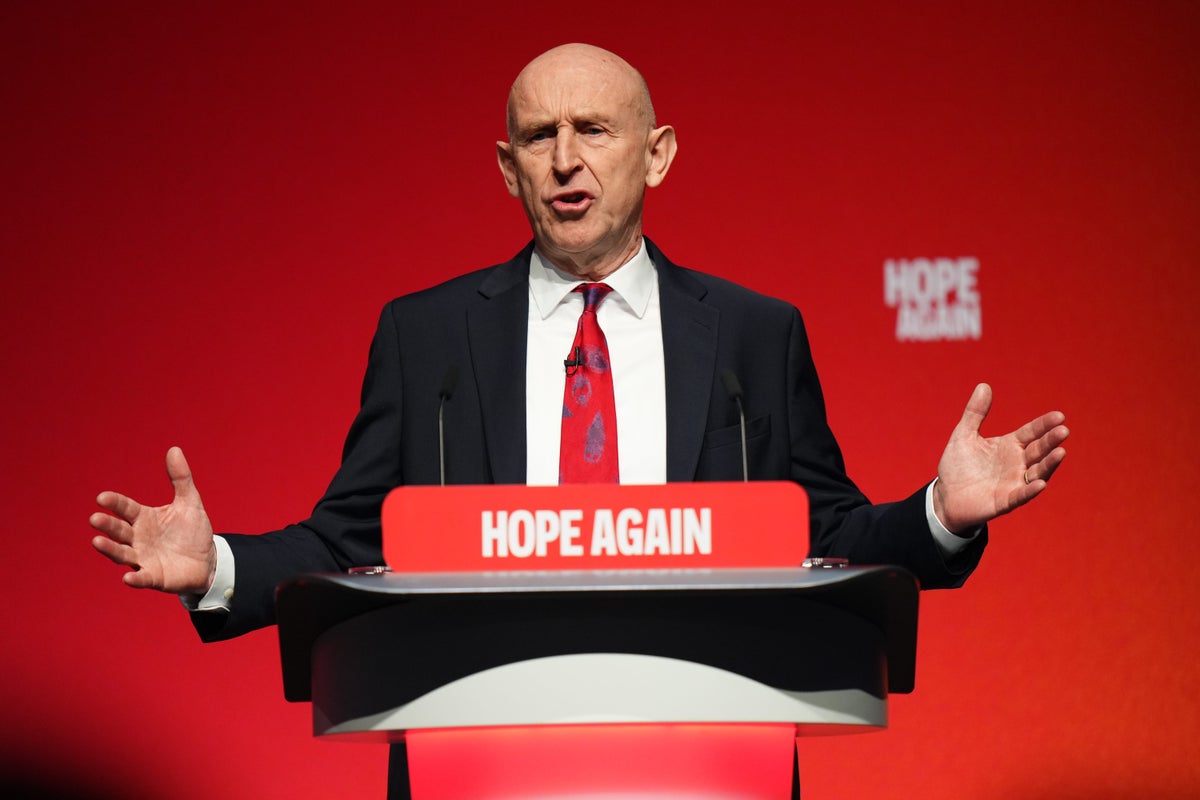
United Kingdom borrowing costs surged to 6% for the first time since 1998 amid wider global bond market pressures. The sharp increase in gilt yields triggered a significant sell-off in equities, sending the London FTSE 100 index tumbling by 1.7%. Political figures traded blame over the economic turbulence as financial strain intensified.
- The FTSE 100 index dropped 177.73 points during the sharpest market session decline.
- Bond market volatility spread to equities following weeks of fluctuating investor sentiment.
- Politicians clashed over the responsibility for the economic downturn.
By the numbers
Timeline
- Sep 25The FTSE 100 edged up as oil price falls offset early bond worries.
- Sep 28Housebuilders supported the index while weak miners limited broader progress.
- Sep 29The FTSE 100 fell as ongoing bond market pressures weighed on equities.
- Oct 1UK borrowing costs hit 6% for the first time since 1998, prompting a 1.7% stock slump.
Why it matters
Public borrowing costs directly influence mortgage rates and government spending capacity, making rapid spikes in gilt yields a major concern for the broader economy.
What outlets agree on
UK borrowing costs surged to 6% for the first time since 1998, causing stock indices to drop significantly amid global bond market pressures.
In this story
Covered by 2 outlets
50% of the sources are Left
Lean ratings via Media Bias/Fact Check, AllSides
- Daily Express‘Labour just crashed the economy’ - disaster for Burnham and even Liz Truss is gloating3h ago · open ↗
- The IndependentStocks slump as bond market worries bite7h ago · open ↗
Similar stories





The headline, summary and key points are AI-generated from the sources above.
Comments