Marine Heatwaves Transform European Waters and Disrupt Local Fisheries
Published 3d ago · Updated 1d ago
Covered in 2 countries
Intensifying marine heatwaves across Europe are fundamentally reshaping aquatic ecosystems and endangering coastal fisheries.
Record-shattering summer temperatures across European seas have triggered profound ecological shifts, including disappearing kelp forests and expanding non-native species. While traditional fisheries in northern Spain and southern England suffer from plummeting lobster and crayfish yields alongside rising octopus populations, marine heatwaves continue to alter food chains. Scientists warn that these worsening shifts pose severe threats to coastal livelihoods and regional aquatic habitats.
- The Bay of Biscay suffered a notable temperature increase as marine heatwaves persisted throughout the summer.
- Kelp forests located in northern Spain have experienced a sharp decline.
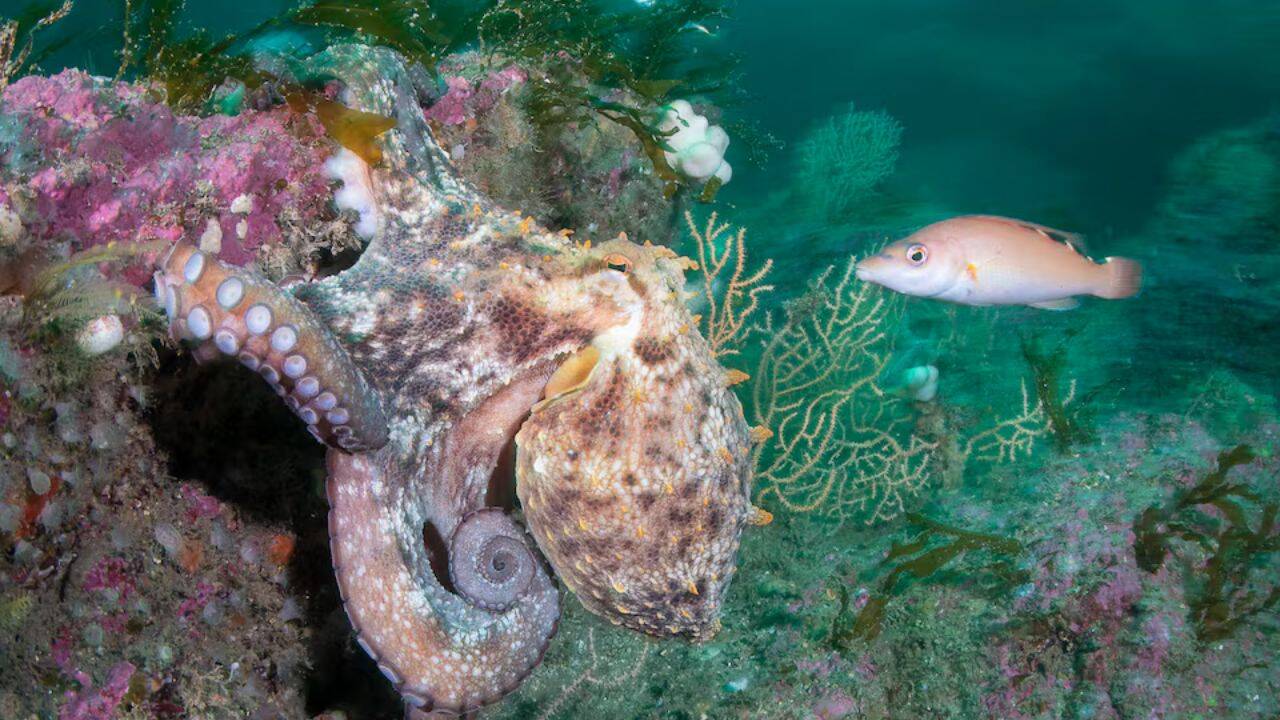
- Octopus numbers are increasing in southern England, disrupting traditional fishing operations.
- Invasive non-native species are spreading within the Mediterranean Sea and modifying local food webs.
Why it matters
Climate change and rising ocean temperatures are accelerating disruptions to marine biodiversity globally, threatening the stability of commercial fishing and coastal economies.
What outlets agree on
European coastal waters have undergone severe marine heatwaves during the summer, resulting in the decline of kelp forests and disruptions to fisheries.
In this story
Covered by 2 outlets
50% of the sources are Left
Lean ratings via Media Bias/Fact Check, AllSides
- The Times of IndiaHotter seas, vanishing kelp, booming octopus: How Europe's marine life is changing1d ago · open ↗
- The IndependentScientists sound the alarm over disappearing kelp, lobster and crayfish as marine heatwaves worsen3d ago · open ↗
Similar stories



The headline, summary and key points are AI-generated from the sources above.
Comments