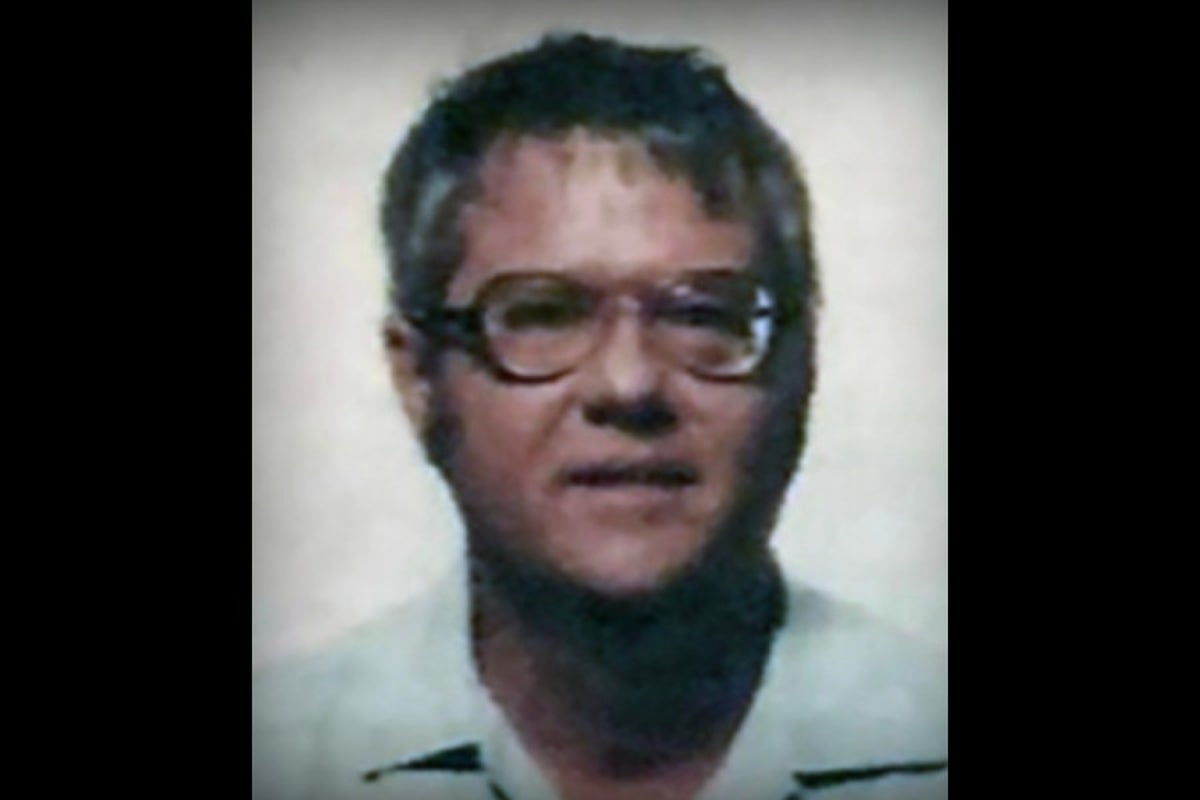
Idaho cops identify dead man underneath a church pew in 1982 and link him to unsolved ‘Tylenol’ murders
Published 6d ago · Updated 5d ago
Covered in 2 countries
Decades after a mysterious church death, police link a former chemist to the notorious Tylenol murders.
Authorities have identified a man found dead under a church pew in 1982 as a former Lockheed Martin chemist and linked him to the unsolved Chicago Tylenol murders. The individual, who had a history of severe mental illness, had reportedly discussed executing the perfect crime involving cyanide prior to his death. Investigators are now examining whether this historical figure holds the key to solving the decades-old poisoning mystery.
- Matthew Francis Betkouski was identified as the man discovered dead under a church pew over four decades after his death.
- The deceased individual previously worked as a chemist for Lockheed Martin.
- Police noted that the man possessed a history of severe mental illness.
- Investigators uncovered that he had allegedly discussed committing the perfect crime using cyanide before he died.
Timeline
- 1982A dead man is discovered underneath a church pew in Idaho.
- Sep 23Police identify the deceased man as Matthew Francis Betkouski and link him to the Tylenol murders.
Why it matters
The Chicago Tylenol murders of 1982 remain one of America's most infamous unsolved mass poisoning cases, making any potential suspect discovery a significant development for cold case investigators.
What outlets agree on
Law enforcement has identified a man found dead in 1982 as a former chemist with mental health struggles and connected him to the investigation of the Chicago Tylenol murders.
In this story
Covered by 2 outlets
50% of the sources are Left
Lean ratings via Media Bias/Fact Check, AllSides
- UPIPolice ID man found dead in 1982, cite possible Tylenol murders link5d ago · open ↗
- The IndependentIdaho cops identify dead man underneath a church pew in 1982 and link him to unsolved ‘Tylenol’ murders6d ago · open ↗
Similar stories





Summary and key points are AI-generated from the sources above.
Comments