
European Nations Clash Over Definition of Made in Europe Rules
Published 5d ago · Updated 5d ago
Covered in 3 countries
European capitals are divided on trade protectionism as officials attempt to craft a unified response to foreign competition.
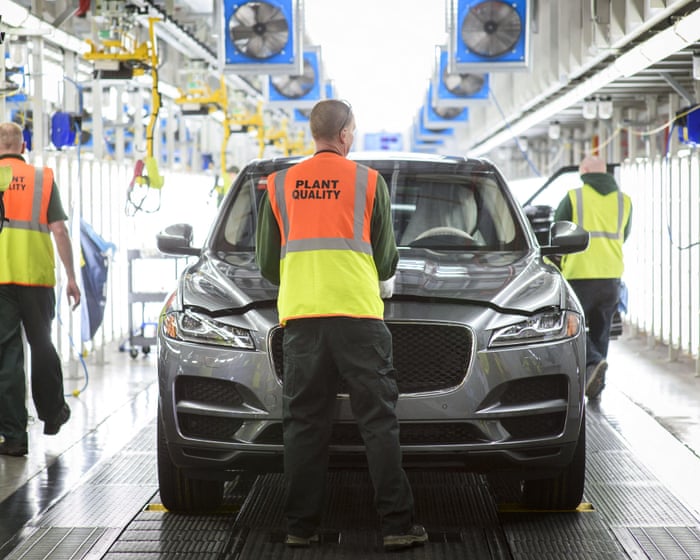
France, Germany, and Spain hold conflicting positions on how the European Union should define local manufacturing criteria to protect domestic industry against foreign rivals. France advocates for stringent requirements favoring local goods, whereas Germany prefers integrating international trading partners. Meanwhile, Spain has introduced a compromise stance as European officials formulate strategies to counter Chinese competition.
- France is pushing for an uncompromising preference policy favoring domestic production.
- Germany wants to involve external trading partners in the proposed regulatory framework.
- Spain has put forward a compromise proposal to bridge the gap between Paris and Berlin.
- The European Commission is working on measures to safeguard local markets from external competitors.
Written from 2 of 3 outlets — 1 has since joined this story.
Why it matters
Establishing a unified industrial policy is a major priority for the European Union as it seeks to protect domestic manufacturers from intense competition and geopolitical economic pressures.
In this story
Covered by 3 outlets
100% of the sources are Center
Lean ratings via Media Bias/Fact Check, Ad Fontes Media
- EuronewsWhat counts as ‘Made in Europe’? France, Germany and Spain are divided5d ago · open ↗
- Politico EuropeGermany and Spain clash over who gets into ‘Made in Europe’5d ago · open ↗
- Financial TimesFrance and Germany spar over ‘Made in Europe’ as EU moves to protect its own5d ago · open ↗
Similar stories



The headline, summary and key points are AI-generated from the sources above.
Comments