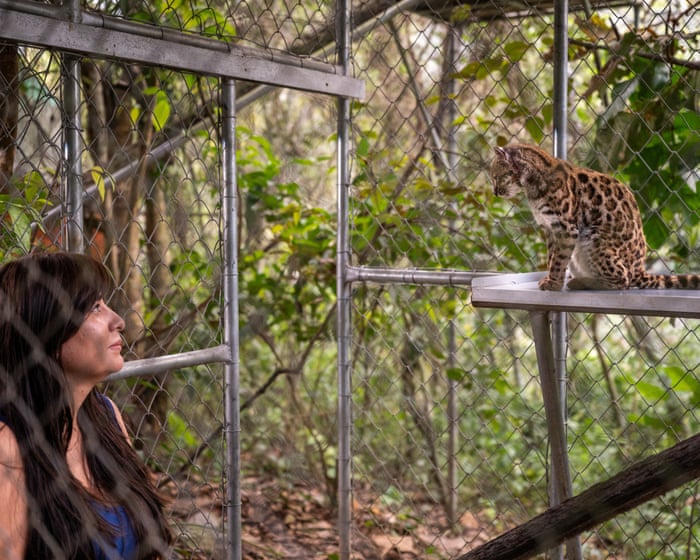
New cat species identified for first time in more than a century in Bolivia
Published 1w ago · Updated 1w ago
Covered in 3 countries
Scientists have discovered a tiny new wild cat species in Bolivia, marking a century-first for feline taxonomy.
Researchers in Bolivia have identified a new species of wild feline inhabiting the misty Yungas cloud forest, marking the first time a living cat species has been formally described in more than a century. Known locally as the tilcayo, the diminutive creature weighs roughly three pounds and is smaller than an average domestic cat. The discovery highlights the rich biodiversity hidden within South American cloud forests and underscores the ongoing efforts to document and protect vulnerable ecosystems.
- The newly identified feline belongs to a group of tiger cats distributed across South America.
- The animal measures approximately eighteen inches in length and weighs about three pounds.
- Local communities in the mountainous cloud forest region refer to the creature as tilcayo.
- Reports indicate there may be only one known living member of this newly classified species currently documented.
By the numbers
Why it matters
Discovering new mammal species, particularly carnivores of this size, is exceptionally rare in modern zoology and provides critical data for global biodiversity conservation initiatives.
What outlets agree on
Outlets agree that researchers have identified a brand new wild cat species in Bolivia's Yungas forest, representing the first time in over a century that a new living feline species has been formally described.
In this story
Covered by 5 outlets
60% of the sources are Left
Lean ratings via Media Bias/Fact Check, Ad Fontes Media, AllSides
- Al JazeeraNew cat species found, first in more than 100 years1w ago · open ↗
- MetroNew wildcat species has been found for the first time in more than 100 years1w ago · open ↗
- BBC NewsNew wild cat species discovered - with only one known living member1w ago · open ↗
Similar stories





Summary and key points are AI-generated from the sources above.
Comments