
Takeaways From the Fed’s Decision to Raise Interest Rates
Published 1w ago · Updated 1w ago
The Federal Reserve raised interest rates to counter persistent inflation while the labor market shows increased stability.
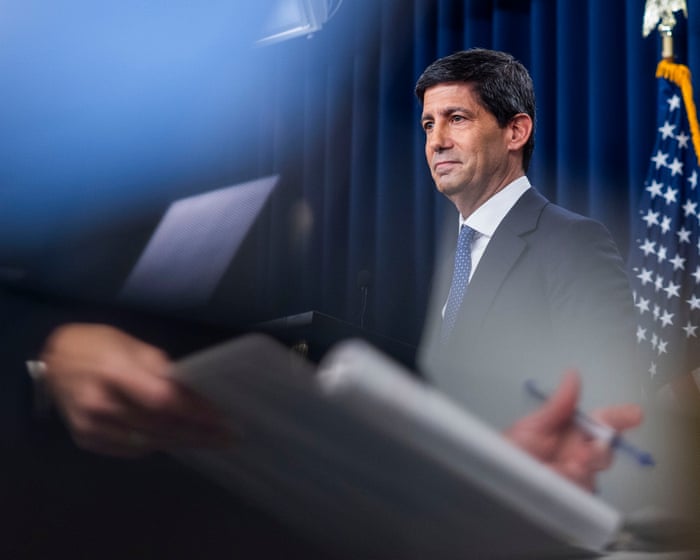
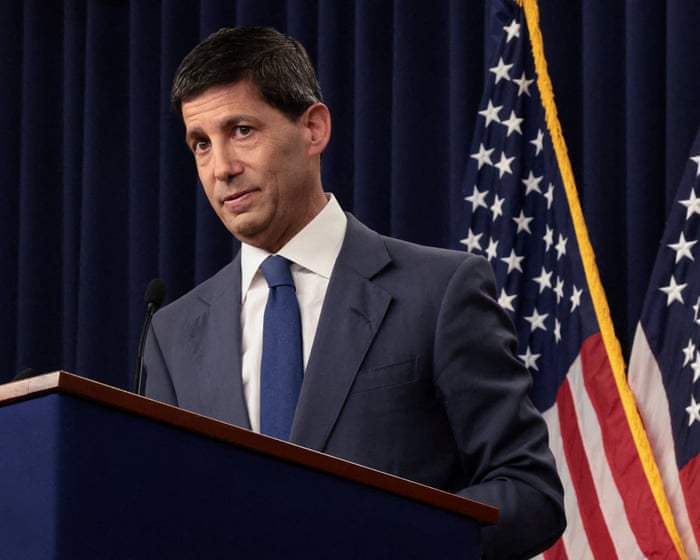
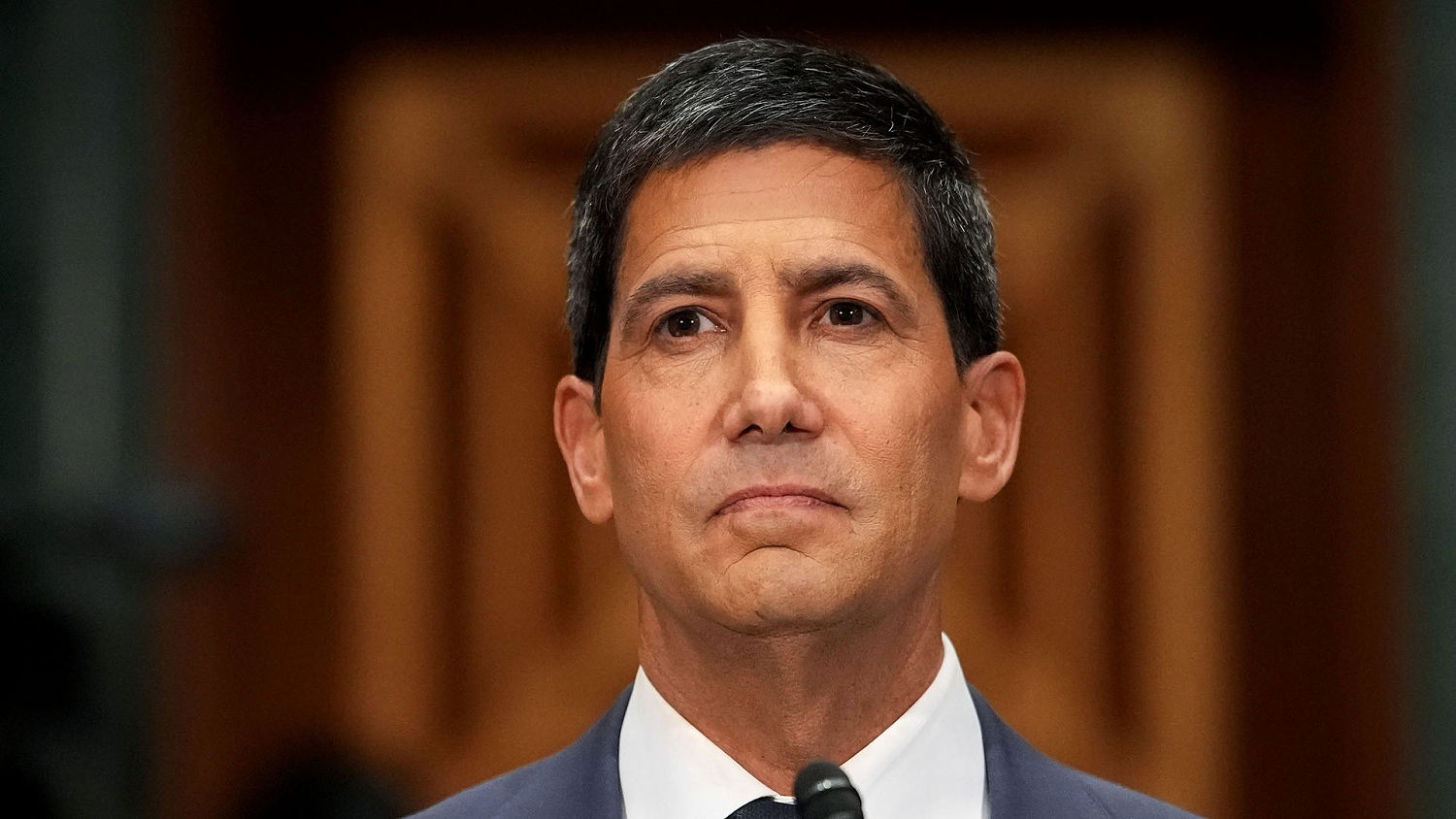
Federal Reserve Chairman Kevin M. Warsh announced an interest rate hike aimed at combating persistent and excessive inflation. Concurrently, new data reveals that the domestic labor market maintains greater stability than it did in the previous year. These concurrent economic developments provide critical context regarding the central bank's monetary tightening strategy amidst evolving macroeconomic conditions.
- Federal Reserve Chairman Kevin M. Warsh stated that inflation remains unacceptably high and has persisted for too long.
- Recent data indicates that the labor market has achieved greater stability compared to the same period a year ago.
- The central bank implemented an increase in interest rates as a direct policy response to ongoing inflationary pressures.
Timeline
- Sep 16Federal Reserve Chairman Kevin M. Warsh announced an interest rate hike to combat high inflation.
- Sep 17New data showed that the domestic labor market is more stable than it was a year ago.
Why it matters
Central bank interest rate adjustments directly influence borrowing costs, employment levels, and consumer prices across the broader economy, making Federal Reserve decisions critical for financial markets.
What outlets agree on
The Federal Reserve raised interest rates under the leadership of Chairman Kevin M. Warsh to address high inflation, while new data indicates steady labor market conditions.
In this story
Covered by 2 outlets
100% of the sources are Left
Lean ratings via Ad Fontes Media
- The Washington PostThe labor market is more stable than a year ago, new data shows1w ago · open ↗
- The New York TimesTakeaways From the Fed’s Decision to Raise Interest Rates1w ago · open ↗
Similar stories

Summary and key points are AI-generated from the sources above.
Comments