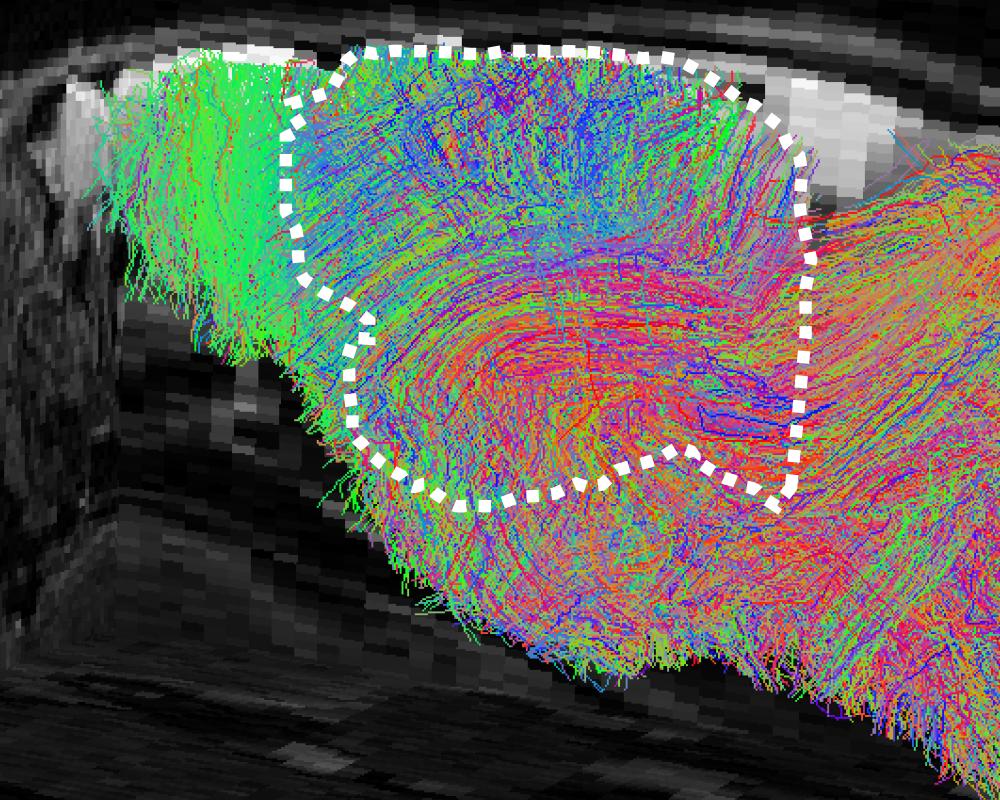
Human brain tissue grown in mice for first time
Published 1w ago · Updated 1w ago
Covered in 2 countries
Creating mice with partly human brains offers a powerful tool for studying neurological disease while igniting urgent ethical debates.
Researchers have successfully engineered mice with partly human brains by transplanting lab-grown human tissue into rodents specially bred without a cortex or hippocampus. This groundbreaking technique creates a living model to investigate complex neurological and psychiatric disorders like schizophrenia and epilepsy. Concurrently, the advancement has prompted neuroscientists and ethicists to demand new moral and regulatory guidelines regarding the treatment of these animals.
- Scientists transplanted lab-grown human brain cells into mice engineered to lack a cortex and hippocampus.
- The research aims to accelerate the development of treatments for incurable conditions like cerebral palsy and rare dementias.
- Researchers involved in the study are actively calling for the establishment of new ethical frameworks.
Why it matters
Animal models with human neural tissue represent a massive technological leap in neurological research, bridging a gap in studying human-specific brain disorders while raising profound ethical questions about consciousness and animal welfare.
What outlets agree on
Researchers have successfully grown human brain tissue inside mice engineered without a cortex or hippocampus to better study human neurological diseases.
In this story
Covered by 6 outlets
50% of the sources are Left
Lean ratings via Ad Fontes Media, AllSides
- The New York TimesThese Mice Have Partly Human Brains1w ago · open ↗
- The EconomistResearchers have created a mouse with a partly human brain1w ago · open ↗
- BBC NewsPart-human part-mouse brain developed in science breakthrough1w ago · open ↗
Similar stories



Summary and key points are AI-generated from the sources above.
Comments